Your car’s racked up over 75,000 miles. Now, you’re noticing little oil spots on the driveway and a faint engine tick that wasn’t there last year.
As engines age, rubber seals shrink and gaps form between parts. That means more leaks and oil burn than when your car was fresh off the lot.
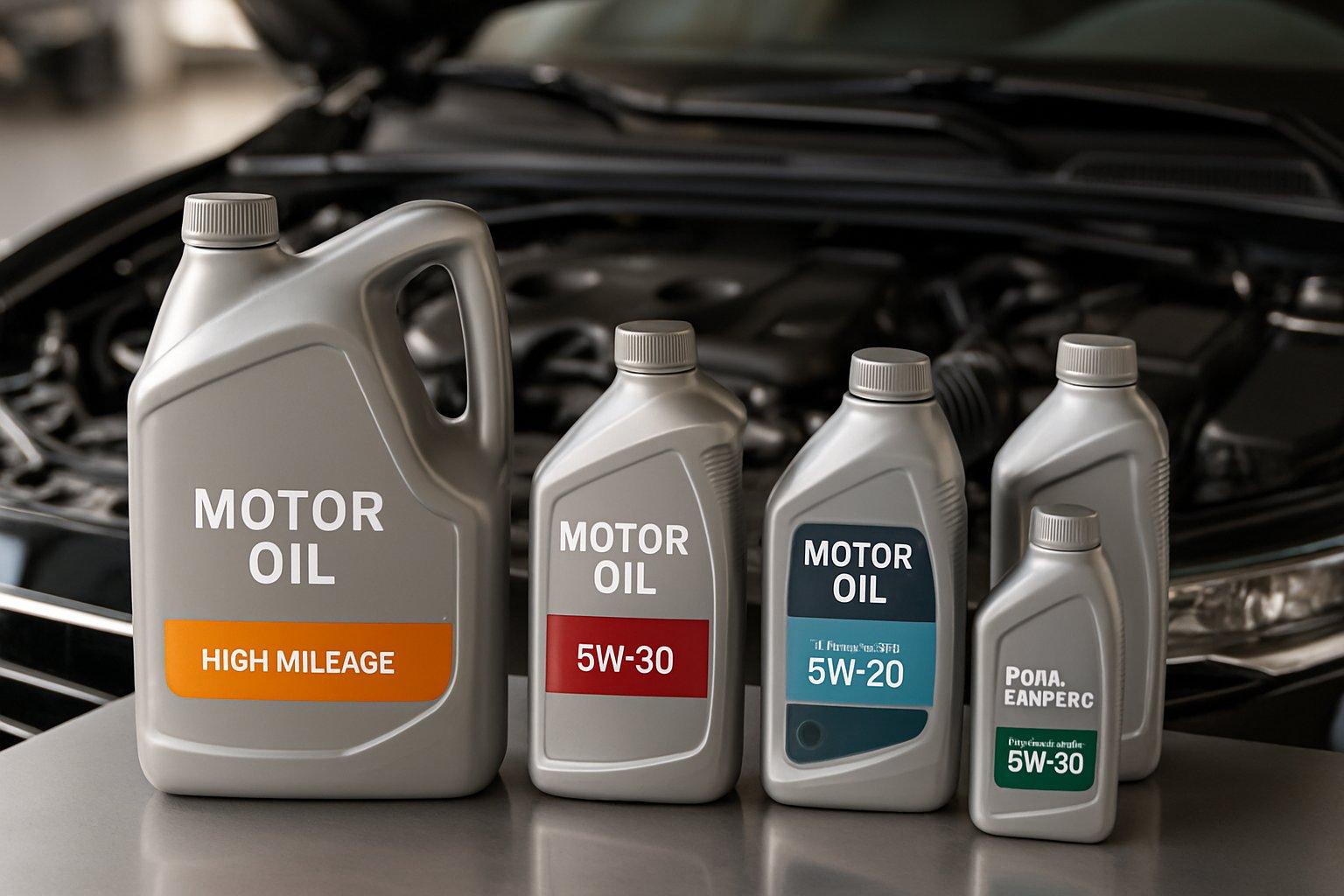
The right high mileage motor oil can cut down on leaks, quiet engine noise, and keep your vehicle running longer. These oils are thicker and have special seal conditioners that regular oils just don’t.
They’re a little pricier, but honestly, it beats shelling out for repairs.
So, what makes these oils special? Which brands actually work? I’ll break down the differences, point out the top picks, and help you spot when it’s time to switch.
You’ll also get a look at the latest additive tech and tips for picking the right oil for your car and driving style.
What Makes High Mileage Motor Oil Different?
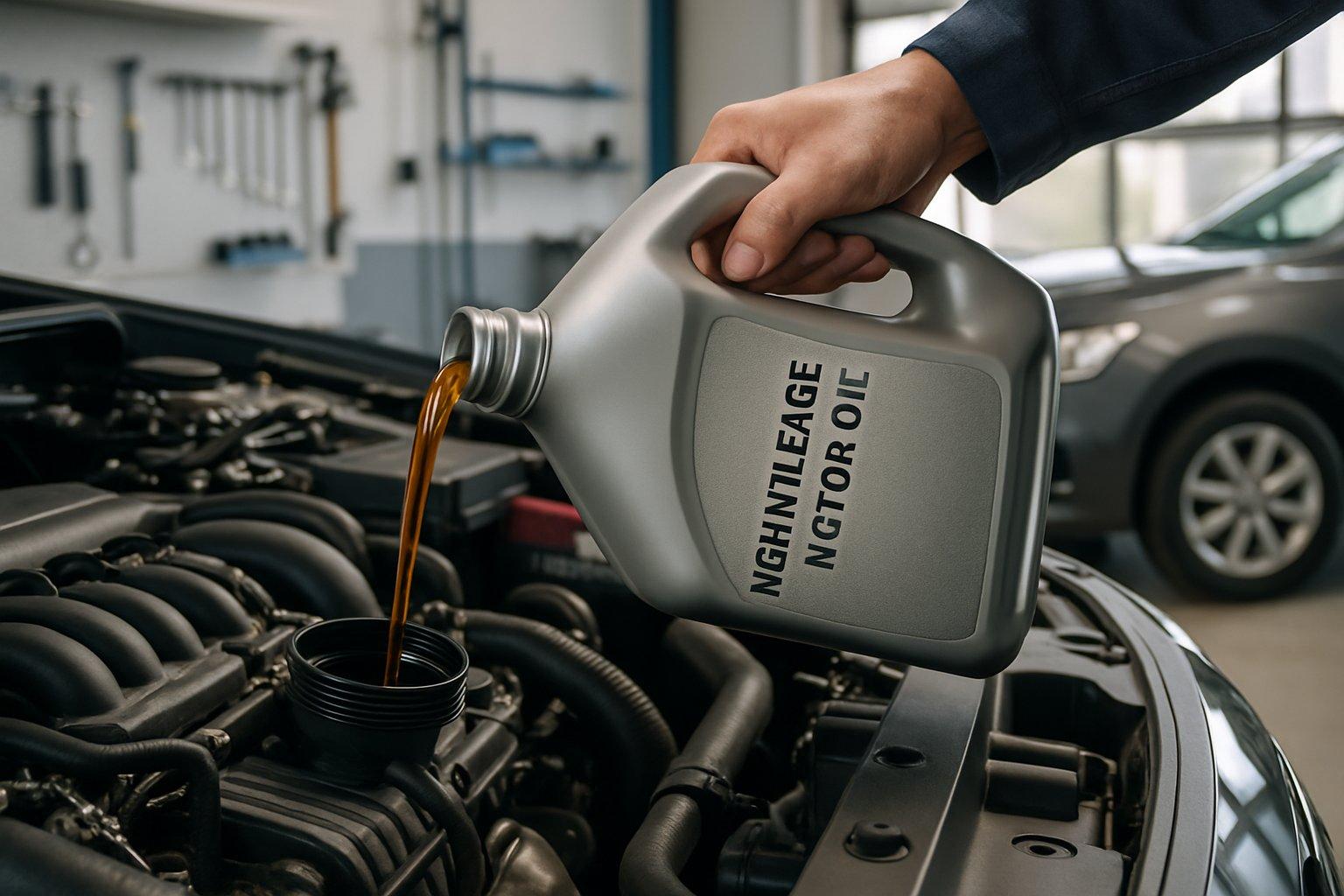
High mileage motor oil is loaded with seal conditioners and additives you won’t find in regular oil. It’s made for engines that have seen some miles—usually over 75,000.
These oils use thicker bases and stronger detergents to tackle the main problems older engines face.
Definition and Criteria for High Mileage Vehicles
Most oil companies say high mileage starts at 75,000 miles. But honestly, it’s not just about the number.
Key indicators include:
- Oil spots under your parked car
- Topping up oil between changes
- Blue smoke when you start up
- New ticking noises from the engine
- Oil coming out extra dark at changes
Seals and gaskets start shrinking and cracking around this mileage. Even cars that have been babied will eventually show their age.
I’d watch for symptoms instead of obsessing over the odometer. Some engines need high mileage oil sooner, while others can wait.
Core Additives and Seal Conditioners
Seal conditioners are the big difference here. They soak into old rubber seals and gaskets, making them swell a bit and get more flexible.
High mileage oils usually have:
- Seal conditioners to freshen up hardened rubber
- Higher viscosity boosters to keep oil thick when hot
- Stronger detergents to clean out sludge
- Extra anti-wear stuff like zinc and phosphorus
The trick is softening the seals just enough to stop leaks, but not so much they fail. It’s a balancing act.
Royal Purple HMX uses Synerlec tech and loads up on zinc and phosphorus. Plenty of folks say it really quiets down lifters and valves.
How High Mileage Oils Address Oil Leaks and Consumption
These oils go after two big headaches: leaks and oil burning. The thicker base helps stop leaks through worn seals, while additives keep oil from burning off.
Leak reduction methods:
- Seal conditioners bring old gaskets back to life
- Thicker oil fills bigger gaps
- Friction modifiers cut wear in loose engines
Oil burning happens when it sneaks past old piston rings or valve seals. High mileage oils have stuff that reduces this.
I’ve seen oil use drop by 20-30% in cars that were guzzling a quart between changes. The extra $1-3 per quart is nothing compared to constant top-offs or fixing leaks.
The stronger detergents also help by scrubbing away sludge that makes leaks and burning worse.
Key Benefits of Using High Mileage Oils
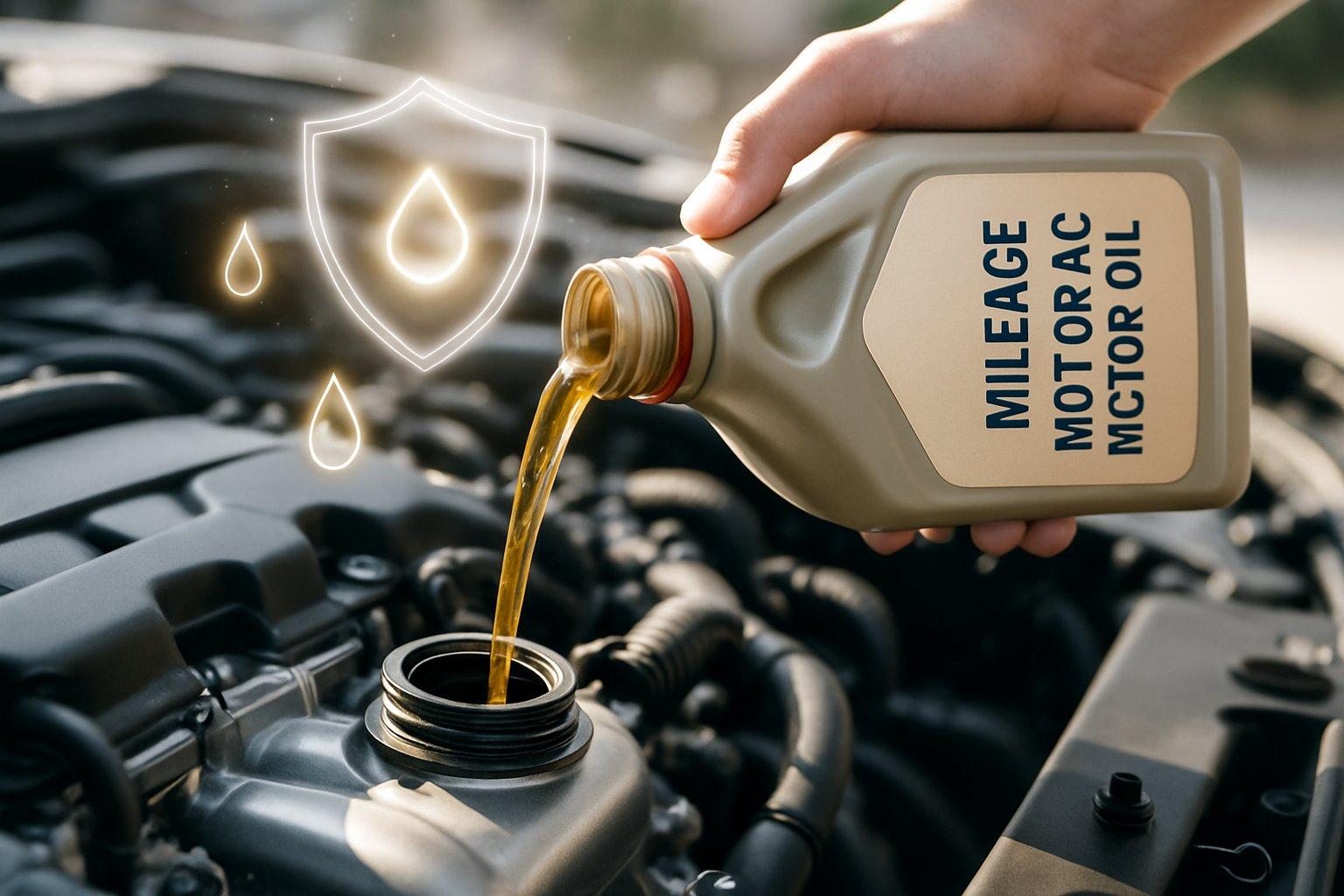
High mileage oils bring a few things to the table that regular oils just can’t. They protect old engine parts, fight sludge, and cut back on oil use.
Wear Protection and Life Extension
High mileage oils really do protect worn engines better. They’ve got stronger additives that build a thicker film on metal parts.
Seal conditioners and anti-wear compounds help seals and gaskets that have dried out. I’ve seen minor leaks slow down after just a few hundred miles on the right oil.
Engine bearings and valves get the biggest benefit. The thicker oil film helps with the extra space that comes with age.
Modern formulas also use friction modifiers for smoother running and less stress on worn parts.
Sludge Buildup Prevention and Cleaning
Sludge is a real problem after 75,000 miles. High mileage oils have stronger detergents and dispersants to fight it.
These cleaning agents break down old sludge and keep new gunk from forming. They hold the junk in suspension until your next oil change.
Older engines deal with more heat cycles, which leads to sludge. High mileage oils keep their thickness better, so they don’t break down as fast.
Oil passages and pickup screens stay cleaner when you use this stuff. I’ve opened up engines with over 150,000 miles that looked shockingly clean inside.
Reduction in Oil Burn-Off and Consumption
Oil burning gets obvious after 100,000 miles. High mileage oils help cut oil use by conditioning seals and being less volatile.
The seal conditioners make old seals just flexible enough to seal better. That helps stop both leaks and oil sneaking past valve guides and rings.
Less oil burn-off comes from these oils holding their thickness at high temps. They don’t thin out and slip past rings as easily.
Additives also help keep oil pressure up in tired engines, so everything stays lubricated and oil use drops over time.
Types of Motor Oil Suitable for High Mileage Vehicles
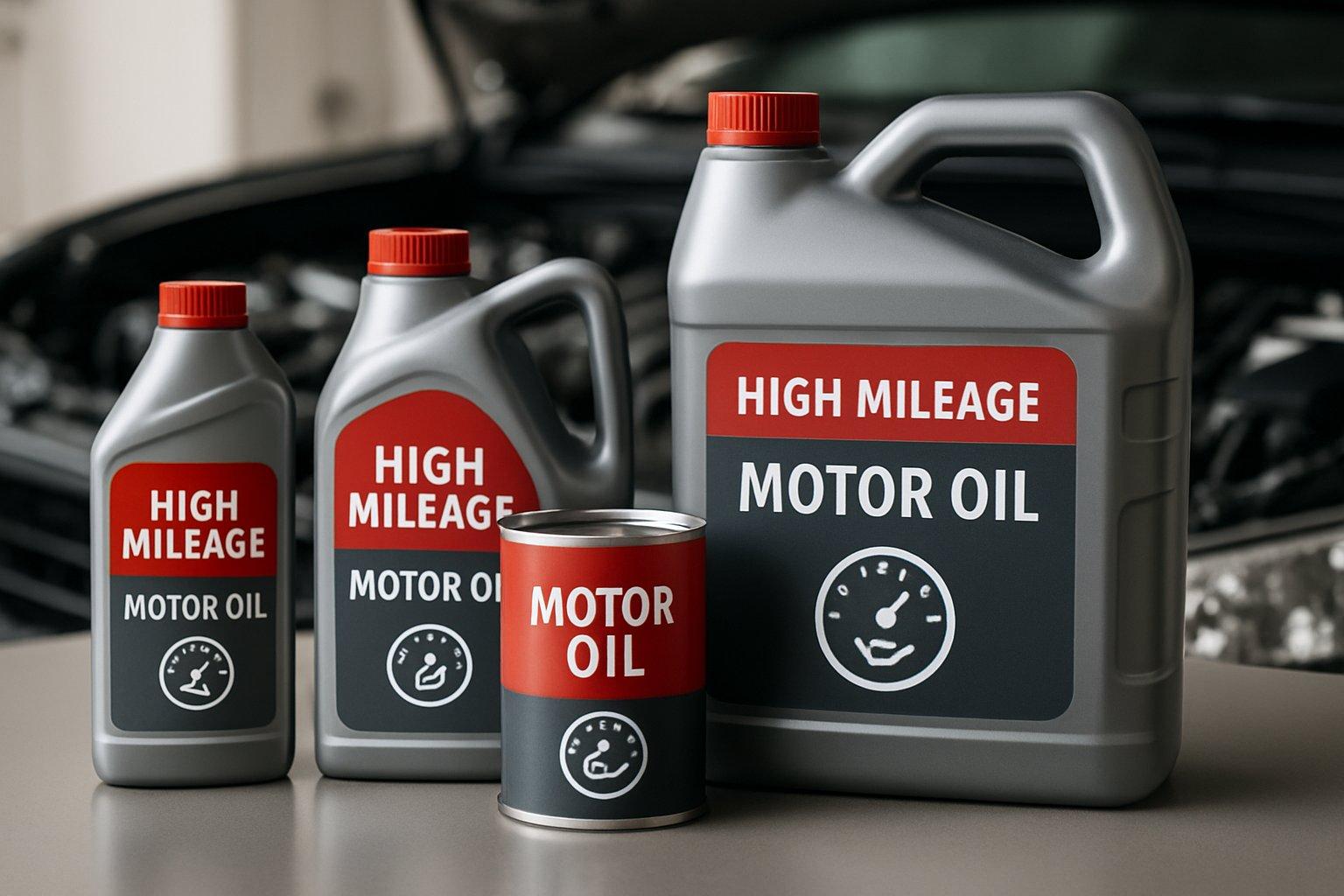
Cars with more than 75,000 miles need oil that can handle worn parts and old seals. There are three main types, each with their own strengths and price points.
Conventional vs Synthetic Blend vs Full Synthetic Oils
Conventional oil is the basic choice. It’s cheap, but it breaks down faster. I’d only use it if you change oil often and don’t drive hard.
Synthetic blend mixes conventional and synthetic bases. It gives better protection than straight conventional and doesn’t cost a fortune.
Full synthetic is top-of-the-line for high mileage engines. It stands up to heat, flows better when cold, and often includes seal conditioners.
Many synthetic high mileage oils are made just for older engines.
Here’s the rough breakdown:
- Protection: Full synthetic > Synthetic blend > Conventional
- Cost: Full synthetic > Synthetic blend > Conventional
- Change intervals: Full synthetic (up to 10,000 miles), synthetic blend (7,500 miles), conventional (3,000-5,000 miles)
Choosing Between Synthetic Blend and Full Synthetic
If you’re watching your budget, synthetic blend is a solid pick. It’s good for engines with a little wear but not major leaks or burning.
Full synthetic is worth it if your engine’s showing its age. It’s got better additives for friction and wear, and longer change intervals help offset the cost.
How you drive matters too. If you’re stuck in traffic, face wild temperatures, or haul heavy loads, full synthetic is the way to go.
Synthetic oil flows faster at startup, which really helps protect old bearings and other parts in those first few minutes.
Viscosity and Temperature Stability Considerations
Temperature stability matters more as engines age. Thicker oils like 10W-30 or 10W-40 can help with leaks through big gaps.
But don’t go too thick. Most engines still need oil to flow well for cooling and lubrication. Usually, 5W-30 or 5W-20 work fine for high mileage vehicles.
Cold starts are rough on old engines. The first number (5W, 10W) shows how the oil flows when it’s cold. Lower is better for cold starts.
In hot weather, conventional oils can thin out too much. Synthetics hold up way better in the heat.
Top High Mileage Motor Oil Brands and Products
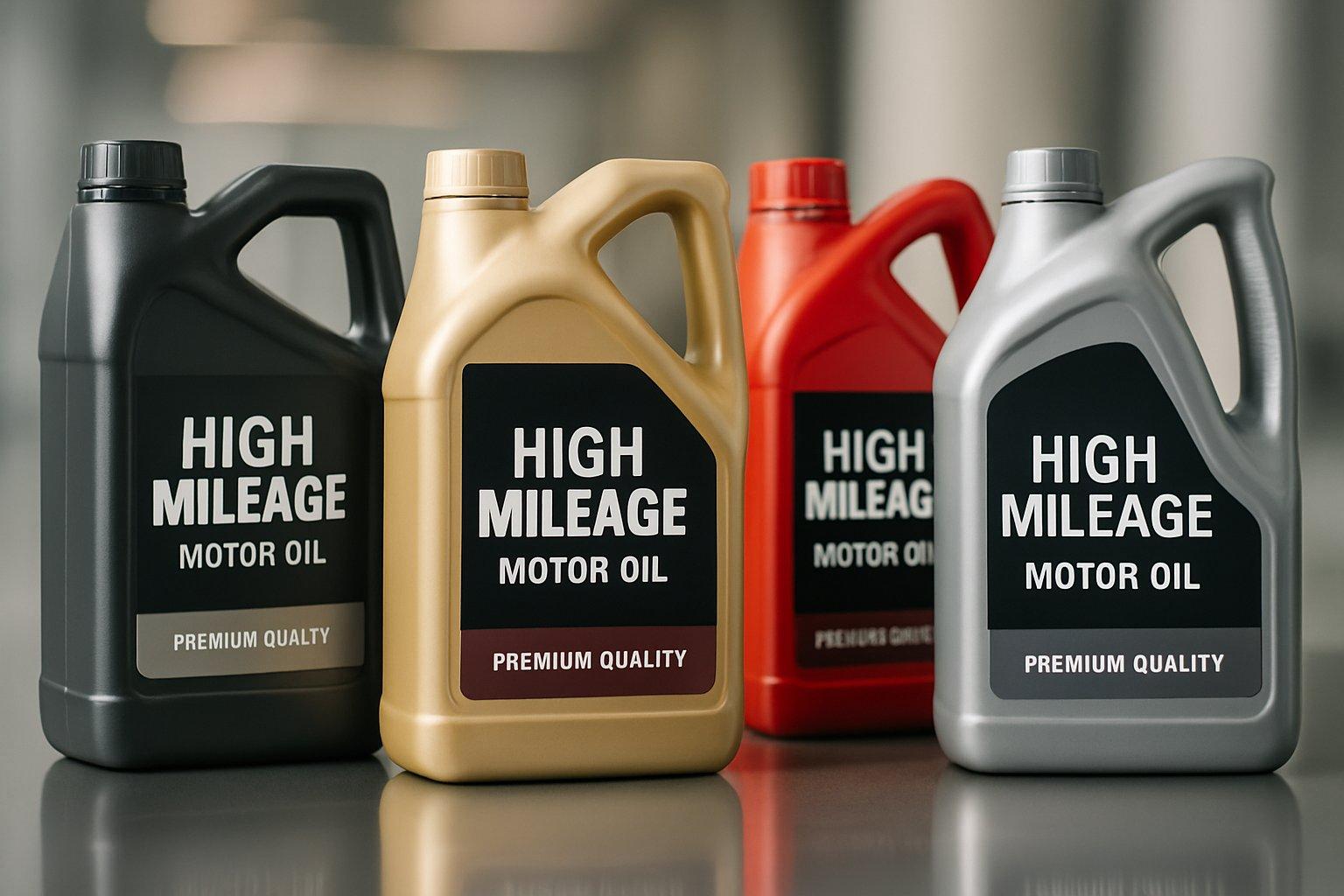
Four brands really stand out for high-mileage oils. Each one’s got its own formula to fight leaks, condition seals, and protect engines with over 75,000 miles.
Mobil 1 Extended Performance High Mileage
Mobil 1 Extended Performance High Mileage is known for lasting a long time and offering strong protection. This full synthetic oil can go up to 20,000 miles between changes if you’re into long intervals.
It uses Mobil 1’s Triple Action Formula—that means wear protection, cleaner internals, and steady performance. It’s ILSAC GF-6 certified, so it works for modern engines too.
I’ve had good luck with this oil in extreme temps. Cold starts down to -30°F, and it doesn’t break down until over 500°F. The synthetic base helps cut oil use and leaks in old engines.
Key Features:
- Up to 20,000-mile intervals
- Triple Action Formula
- ILSAC GF-6 certified
- Handles -30°F to 500°F
Valvoline High Mileage with MaxLife Technology
Valvoline High Mileage with MaxLife Technology boasts 40% better wear protection than standard oils. It’s a synthetic blend made for cars over 75,000 miles.
MaxLife uses seal conditioners to revive old seals and cut down on leaks and oil burning. There are also advanced detergents to fight off sludge.
It cleans out bad deposits and keeps new ones from forming. Plus, it protects against rust inside the engine. I like this one for drivers who want real leak reduction without spending a ton.
Benefits:
- 40% better wear protection
- Seal conditioners
- Strong detergents
- Sludge control
Castrol EDGE High Mileage
Castrol EDGE High Mileage is a full synthetic that goes all-in on protection. The 5W-30 grade fits most high mileage cars and can go longer between changes.
It uses Phosphorus Replacement Technology to protect the catalytic converter. That means less phosphorus, but still great engine protection—helpful for keeping emissions systems alive.
Castrol EDGE High Mileage really cuts down oil burn-off and leaks. It also keeps engine deposits to a minimum. You can go up to 15,000 miles or a year between changes, whichever comes first.
Specifications:
- Full synthetic
- Phosphorus Replacement Technology
- 15,000-mile intervals
- Safe for emission systems
Royal Purple HMX High Mileage
Royal Purple HMX High Mileage brings together synthetic and conventional base oils, aiming for the best performance in older engines. It’s designed for engines with a lot of miles, worn parts, and aging seals.
This oil uses a special Synerlec additive technology that forms a protective film on metal. That helps cut down friction and wear, plus it can improve your fuel economy a bit. Seal conditioners are mixed in too, which help bring old gaskets back to life.
You can use Royal Purple HMX in both gasoline and diesel engines. It stands up to oxidation better than regular oils. The viscosity stays steady, hot or cold, so your engine gets consistent protection.
Features:
- Synerlec additive technology
- Gasoline and diesel compatibility
- Strong oxidation resistance
- Helps restore seals
How to Choose the Best Oil for Your High Mileage Vehicle
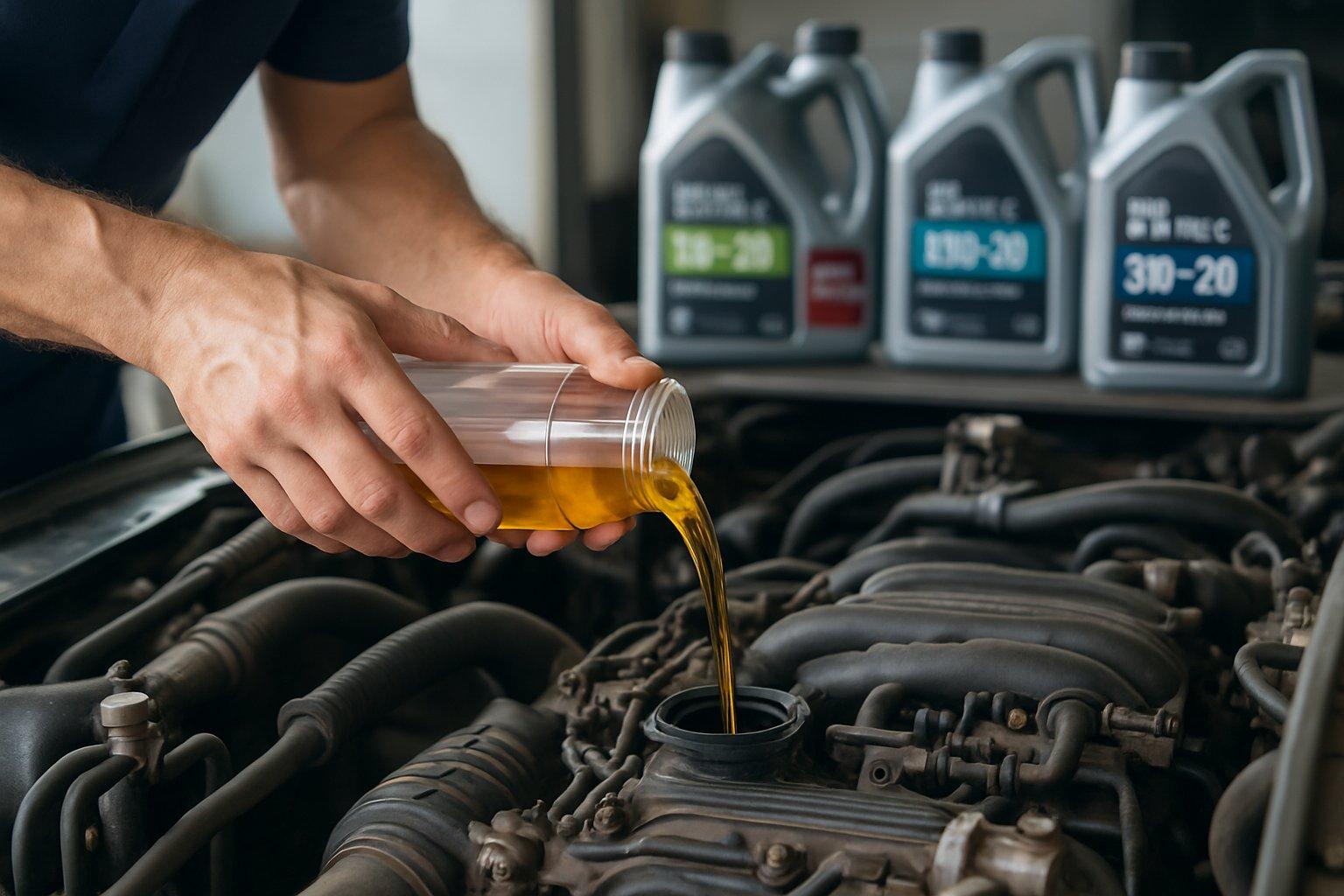
Picking oil for a high mileage car isn’t as simple as grabbing the first bottle you see. I’d say it really comes down to what your car needs, your local weather, and how you actually drive. Sometimes, it’s a bit of a balancing act between price and performance.
Checking Manufacturer Recommendations
I always start by flipping through the owner’s manual to find the right oil viscosity. Most older cars want 5W-30 or 10W-30, but some newer ones are picky and call for 0W-20.
The manual also tells you which API certification to look for. If you’ve got a modern engine, you’ll want API SN, SP, or ILSAC GF-6 on the label.
Viscosity matters more than brand. Using the wrong viscosity—like 0W-20 instead of 5W-30—can wear your engine out faster. Thicker oil than recommended? That can kill your gas mileage and make cold starts a pain.
Some manufacturers are okay with longer oil change intervals. I’ve seen high mileage oils that claim up to 20,000 miles between changes, but check your warranty first.
OEM specs always win. My 2015 Honda isn’t going to want the same oil as a 2015 Ford, even if they’ve both seen a lot of road.
Climate and Driving Conditions
Where you live and how you drive can change what oil you need. Hot places? You need oil that won’t break down when things heat up.
If you live somewhere cold, go for lower viscosity. 0W oils flow better when it’s freezing out, so your engine doesn’t have to work as hard at startup.
Short trips—like under 10 miles—are rougher on your engine than long highway drives. Stop-and-go traffic heats things up and brings in more contaminants.
If I’m driving in harsh conditions, I’ll use full synthetic. That means:
- Temps over 90°F on the regular
- Freezing winters below 10°F
- Lots of dust or sand
- Towing or hauling heavy stuff
Severe driving means more frequent oil changes. Manuals might say 7,500 miles for normal driving, but for tough conditions, I stick to 3,000-5,000 miles.
Mountain driving and lots of idling? Those count as severe, too.
Balancing Cost, Performance, and Oil Change Intervals
I look at the cost per mile, not just the sticker price on the oil. Sometimes, pricier synthetic oil that lasts 10,000 miles is actually cheaper than cheap stuff changed every 3,000.
Full synthetic is 2-3 times pricier than conventional, but it protects better and lasts longer. Synthetic blends split the difference in both price and benefits.
Older engines can burn or leak oil, so I keep track of how much I’m adding between changes. Those top-offs add up.
| Oil Type | Upfront Cost | Change Interval | Cost Per Mile |
|---|---|---|---|
| Conventional | Low | 3,000-5,000 miles | Medium |
| Synthetic Blend | Medium | 5,000-7,500 miles | Low-Medium |
| Full Synthetic | High | 7,500-10,000 miles | Low |
Performance is worth the extra cost if it helps you avoid big repairs. Seal conditioners in high mileage oils can slow leaks that might otherwise wreck your engine.
Think about how much your car is worth, too. Spending $60 on fancy oil makes sense if you plan to keep the car around, but maybe not if it’s on its last legs.
Additive Technologies Enhancing Engine Longevity
High-mileage motor oils these days are packed with additives aimed at old engine problems. You’ll find seal conditioners, anti-wear compounds, and stuff to help keep your catalytic converter healthy.
Seal Conditioning and Leak Prevention
Seal conditioners are probably the biggest breakthrough for high-mileage oils. They work by soaking into rubber seals and gaskets, making them swell just a bit and regain some flexibility.
That helps reverse the shrinkage that happens as engines age. Old rubber gets brittle and starts to let oil slip through.
I’ve noticed seal conditioners can really help with leaks. They make seals more flexible without turning them to mush.
Key Benefits:
- Cuts down on oil leaks at gaskets
- Slows further seal wear
- Keeps seals compressed properly
- Kicks in after a couple oil changes
It’s not just covering up the issue. It actually helps seals do their job again.
Anti-Wear Additives and Zinc/Phosphorus Content
Anti-wear additives form a shield on metal surfaces while your engine runs. Zinc and phosphorus are the heavy hitters here—they’re great at stopping metal-on-metal damage.
Zinc/phosphorus additives are especially useful for older engines with more wear. Those engines need extra help since there’s more friction inside.
Modern oils have to balance protection with emissions. Too much phosphorus can mess up catalytic converters over time.
Typical Additive Levels:
- Zinc (ZDDP): 800-1200 ppm
- Phosphorus: 600-1000 ppm
- Molybdenum: 50-100 ppm
I’d check these numbers when shopping for high-mileage oil. Higher levels mean better protection for engines past 100,000 miles.
These additives kick in under heat and pressure, creating a layer that wears away instead of your engine parts.
Innovative Formulas for Emission System Protection
Phosphorus replacement technology is a clever workaround for protecting both your engine and emissions system. It cuts down on harmful phosphorus but keeps the anti-wear benefits.
Old-school additives can poison catalytic converters. High-mileage cars are already at risk for converter problems because of age and buildup.
New formulas use different chemistry. They mix in organic friction modifiers and calcium-based detergents to keep things cleaner.
Protection Features:
- Less phosphorus in emissions
- Stronger detergents
- Better thermal stability
- Lower volatility
This tech helps you avoid expensive emission repairs. Replacing a catalytic converter can run over $1,000, which is the last thing you want on an old car.
I’ve seen these new formulas keep engines running smoother for longer, and they seem to help with emission system life too.
Signs It’s Time to Switch to High Mileage Motor Oil
Engines have a way of letting you know when they need more attention. If you’re burning oil, spotting puddles under the car, or noticing a drop in performance, your seals and parts might need the extra help from high mileage oils.
Increased Oil Consumption
A lot of folks ignore the obvious—having to top up oil more often than before. If your engine is burning through oil faster, it’s a sign parts are loosening up inside.
Normal vs. Excessive Oil Use:
- New engines: Less than 1 quart per 5,000 miles
- High mileage: More than 1 quart per 3,000 miles
Ever see blue smoke from the tailpipe at startup? That’s oil sneaking past worn piston rings. Usually, it goes away after a few minutes.
At this point, I’m checking my dipstick weekly, not monthly. If you’re adding oil more than twice between changes, it’s time to try a high mileage formula with seal conditioners.
Visible Oil Leaks
Oil spots under your car are a dead giveaway that seals are failing. It starts small—just a few drops on the driveway.
Common places for leaks:
- Valve cover gaskets (top of the engine)
- Oil pan gaskets (bottom)
- Rear main seal (behind the engine block)
I suggest putting cardboard under your car overnight. If you see dark spots in the morning, your seals are probably cracking and shrinking. High mileage oils have conditioners that help make old gaskets seal up again.
Small leaks don’t stay small for long. Before you know it, a few drops can turn into puddles that ruin your driveway and cause bigger headaches.
Sludge and Performance Issues
Engine noise tells me a lot about what’s happening inside. When lifters start ticking or the engine just sounds rougher than usual, sludge buildup is often the culprit.
Years of regular oil can leave behind thick, tar-like deposits inside your engine. This sludge blocks oil passages and gets in the way of proper lubrication.
You might notice the engine takes longer to quiet down after a cold start. It’s not something you want to ignore.
Performance problems I see include:
- Rough idling
- Reduced power during acceleration
- Engine running hotter than normal
Your last oil change can reveal some clues. If the old oil came out very dark and thick, sludge has probably been building up for a while.
High mileage oils have extra detergents that slowly clean out these harmful deposits. They also help protect aging seals, which is a nice bonus.